In my 15 years consulting on enterprise system deployments, I’ve seen the conversation shift dramatically. A decade ago, the primary drivers for an ERP upgrade were always ROI, efficiency, and market share. Today, a new, non-negotiable metric has entered the boardroom: sustainability. The critical question is no longer just “Will this make us more profitable?” but “Will this make us a better, more responsible business?” This is the core of Green ERP: How Cloud Systems Drive Sustainability and Reduce Environmental Impact in 2026.
The challenge isn’t a lack of will; it’s a lack of visibility. Most companies are flying blind, unable to accurately measure, manage, or report on their environmental footprint. Generic spreadsheets and disjointed data sources simply can’t provide the actionable intelligence needed to make meaningful change. This is where the synergy between green initiatives and modern cloud ERP systems becomes a game-changer.
In this article, we’ll move beyond the buzzwords. I’ll share my field experience on how these systems actually function, what to look for, the pitfalls to avoid, and how you can leverage a cloud-based ERP to not only meet your ESG (Environmental, Social, and Governance) goals but also uncover new efficiencies that directly benefit your bottom line. We’ll explore the technical underpinnings that make this evolution possible, drawing a clear line from system architecture to real-world environmental impact.
Deconstructing Green ERP: More Than Just a Buzzword
Let’s be clear: “Green ERP” isn’t a separate piece of software you buy off the shelf. In my consulting practice, I define it as a strategic framework where a cloud-native ERP system is configured and utilized to embed sustainability as a core operational metric, on par with financial performance. It’s about evolving your central business platform to track resource consumption as meticulously as it tracks accounts payable.
This strategic shift is detailed in depth within The Ultimate Guide to Cloud ERP Systems: Driving Digital Transformation and ROI in 2026, which frames the broader move to the cloud. The green component is the next logical step in that transformation. It’s about leveraging the system’s power to make smarter, more sustainable decisions at every turn.
The Core Functionality: How It Works Beyond the Hype
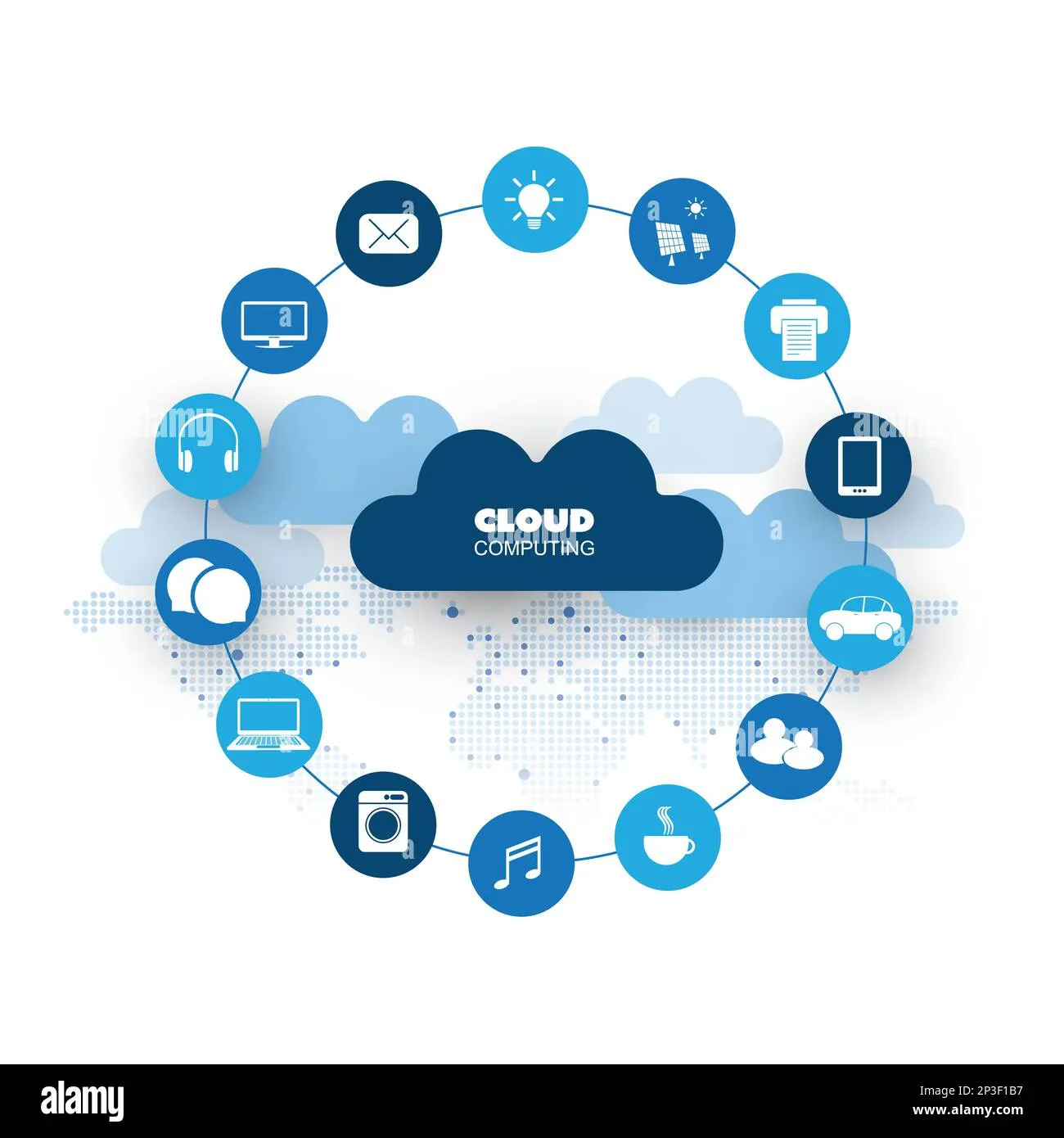
Technically, a Green ERP functions by integrating specialized modules and data streams. For instance, a carbon accounting module doesn’t just hold static emission factors. It dynamically pulls real-time data from your operations—fuel consumed by your vehicle fleet via telematics, electricity usage from smart meters on the factory floor, and raw material inputs from your procurement module.
The system then applies specific calculation methodologies, like those outlined by the GHG Protocol, to automate the calculation of Scope 1, 2, and even the notoriously complex Scope 3 emissions. A common hurdle I’ve seen in the field is poor data quality. A successful implementation relies on robust APIs and IoT integration to ensure the data feeding these modules is accurate and timely. Without it, your sustainability reports are just educated guesses.
From On-Premise Burdens to Cloud-Native Efficiency
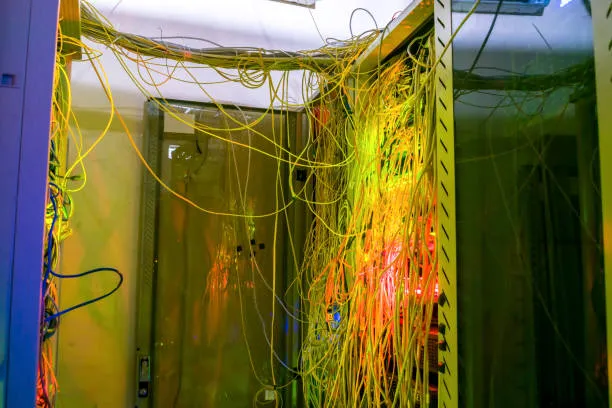
One of the most immediate environmental wins comes from the platform itself. For years, I designed and managed on-premise ERP infrastructures. The physical footprint was enormous: racks of servers generating immense heat, requiring 24/7 industrial-grade air conditioning, and a constant hardware refresh cycle that created significant e-waste.
Migrating to a major cloud provider like AWS, Azure, or Google Cloud offloads this burden. These hyperscale data centers are designed for an efficiency level that no single enterprise could hope to match. Their Power Usage Effectiveness (PUE)—a measure of how much energy is used by the computing equipment versus cooling and overhead—is often near 1.1, while a typical on-premise data center might be 1.6 or higher. This move is a fundamental part of understanding the full value proposition of cloud enterprise resource planning systems, where sustainability gains become a tangible part of the ROI.
Integrating ESG Goals into Your Core Business Logic
The true power of a Green ERP is its ability to embed ESG goals directly into business workflows. For example, the procurement module can be configured to favor suppliers with specific ISO 14001 certifications or to automatically flag materials that don’t meet your company’s recycled content standards. This isn’t a manual check; it’s a system-enforced rule.
Dashboards for executives are no longer limited to sales figures and profit margins. They can now display real-time energy consumption per unit produced, water usage per facility, or the carbon footprint of a specific product line. This visibility transforms sustainability from an abstract corporate goal into a measurable, daily operational KPI.
The Tangible Impact: Measuring Environmental KPIs with Cloud ERP
In business, what gets measured gets managed. The primary function of a Green ERP is to provide the tools for precise measurement of environmental Key Performance Indicators (KPIs). This is where theory meets practice, turning corporate sustainability reports from marketing fluff into auditable financial-grade data.
Real-Time Carbon Accounting and Scope 1-3 Emissions Tracking
As I mentioned, the holy grail of environmental reporting is accurately tracking Scope 3 emissions—all the indirect emissions that occur in a company’s value chain. This is nearly impossible with manual methods. A cloud ERP, however, is uniquely positioned to tackle this. It sits at the heart of your supply chain, processing purchase orders, shipping manifests, and supplier invoices.
By enriching supplier data with their own emissions information and integrating with logistics platforms, the ERP can build a surprisingly accurate model of your upstream and downstream footprint. It can calculate the emissions from transporting goods, the embedded carbon in the materials you purchase, and even the impact of employee business travel booked through the system.
Author’s Expert Note: While Scope 3 tracking in 2026 is becoming highly sophisticated, the primary limitation remains the quality of data from smaller suppliers. The future lies in blockchain-based frameworks to create a trusted, immutable ledger of carbon data that flows transparently through the entire supply chain, a feature I expect to see in leading ERPs by 2028.
Optimizing Supply Chains for Reduced Waste and Mileage
One of the most common projects I’ve worked on involves using ERP data to streamline logistics. An advanced ERP can analyze historical shipping data, production schedules, and inventory levels to optimize distribution networks. The goal is to reduce “empty miles” for trucks, consolidate less-than-truckload (LTL) shipments, and shift transport modes from air to sea or rail where feasible.
Within the four walls of a factory or warehouse, the system helps minimize waste. By tightening the link between production planning (MRP), inventory, and sales orders, companies can move closer to a just-in-time model, reducing spoilage of perishable goods and overproduction of items with a short shelf-life. This isn’t just good for the planet; it’s fantastic for the P&L statement.
The Power of Predictive Analytics in Resource Management
Modern cloud-based ERPs come equipped with powerful AI and Machine Learning modules. I’ve seen these tools used to predict energy consumption based on production forecasts and weather data, allowing companies to schedule energy-intensive processes during off-peak hours when the grid is powered by a higher mix of renewables.
Another key application is predictive maintenance. By analyzing data from IoT sensors on machinery, the ERP can predict when a part is likely to fail. This allows for proactive repairs, preventing catastrophic breakdowns that often lead to material waste, emergency (and often inefficient) shipments of replacement parts, and wasted energy.
Cloud ERP vs. Traditional Systems: A Sustainability Comparison
To truly grasp the benefits, it’s helpful to see a direct comparison. In my experience, the difference between running an on-premise legacy system and a modern cloud ERP is night and day from a sustainability perspective. The following table breaks down the key areas of impact.
| Feature | On-Premise ERP | Cloud-Based Green ERP |
|---|---|---|
| Energy Consumption (PUE) | High (PUE often 1.6-2.0). Requires dedicated power and 24/7 cooling for an underutilized server room. | Extremely low (PUE often ~1.1). Benefits from the massive scale and efficiency of hyperscale data centers. |
| Hardware Lifecycle & E-Waste | Requires a 3-5 year hardware refresh cycle, generating significant electronic waste. Disposal is a company liability. | No on-site hardware to manage or dispose of. The cloud provider handles hardware lifecycle with a focus on recycling and reuse at scale. |
| Scalability & Resource Allocation | Resources are provisioned for peak load, meaning they are idle and wasting energy most of the time. Poor scalability. | Elastic resources. Computing power scales up or down automatically based on demand, ensuring no energy is wasted on idle capacity. |
| Data Center Infrastructure | Company is responsible for building and maintaining a resource-intensive data center or server room. | Leverages state-of-the-art data centers, often powered by renewable energy and using advanced cooling techniques. |
| Sustainability Reporting | Manual and difficult. Data is siloed, requiring extensive effort to collect and collate for reports. | Automated and integrated. Built-in modules pull real-time data from across the enterprise for accurate, auditable ESG reports. |
Expert Tips for a Successful Green ERP Implementation
Embarking on this journey requires careful planning. Simply switching on a “sustainability module” won’t work. Based on dozens of implementations I’ve overseen, here are the most critical steps to ensure success.
- Start with a Baseline Audit: Before you can improve, you must measure. Conduct a thorough audit of your current environmental footprint. Where is your biggest energy usage? What does your supply chain look like? This data will be the foundation for your business case and implementation roadmap.
- Tie Goals to Executive Compensation: The single most effective way I’ve seen to ensure project success is to tie ESG improvement targets to C-suite bonuses. When sustainability becomes a factor in performance reviews, it gets the resources and attention it deserves.
- Focus Relentlessly on Data Integrity: Your Green ERP is only as good as the data it receives. A common field error I consistently encounter is companies underinvesting in the integration layer. Invest in IoT sensors, APIs, and data cleansing processes to ensure your inputs are trustworthy.
- Choose a Partner, Not Just a Vendor: Select an ERP provider that has a clear, transparent roadmap for its sustainability features and a public commitment to its own corporate environmental goals. Ask for case studies and speak with their reference customers.
- Phase Your Rollout: Don’t try to boil the ocean. Start with a pilot project in a high-impact area, such as fleet management or energy tracking for a single facility. A quick win builds momentum and provides crucial lessons for a broader, enterprise-wide deployment.
Warning/Caution: Beware of “greenwashing.” The purpose of a Green ERP is to generate verifiable, auditable data. Avoid the temptation to use the system to cherry-pick positive data points for marketing materials. Regulators and investors are becoming increasingly sophisticated at spotting disingenuous claims, and the reputational damage can be severe.
Frequently Asked Questions about Green ERP: How Cloud Systems Drive Sustainability and Reduce Environmental Impact in 2026
What exactly is a Green ERP system?
A Green ERP isn’t a separate product but a strategy. It involves using a modern, cloud-based ERP system to track, manage, and reduce an organization’s environmental impact by integrating sustainability metrics directly into core business processes like supply chain, manufacturing, and finance.
How does a cloud ERP reduce a company’s carbon footprint?
It reduces a company’s footprint in two ways. First, by migrating from inefficient on-premise servers to hyper-efficient cloud data centers. Second, by providing the data and tools to optimize operations, such as reducing fuel consumption in logistics and minimizing energy usage in production.
Can a Green ERP improve my company’s profitability?
Absolutely. In my experience, sustainability and profitability are two sides of the same coin. Reducing energy consumption, minimizing material waste, and optimizing shipping routes all cut operational costs directly, leading to improved margins.
What are the biggest challenges in implementing a Green ERP?
The most significant hurdles are typically poor data quality from operational systems, a lack of clear goals from leadership, and employee resistance to change. A successful implementation requires strong executive sponsorship and a focus on data integrity from day one.
Is Green ERP only for large manufacturing corporations?
Not at all. While manufacturers have obvious use cases, any company can benefit. ERP systems for distribution firms can optimize routes, and even service-based businesses can track the impact of their facilities, business travel, and procurement choices.
How do I measure the ROI of a Green ERP system?
The ROI is measured through a combination of “hard” savings (e.g., lower energy bills, reduced material costs) and “soft” benefits (e.g., enhanced brand reputation, easier access to capital from ESG-focused investors, improved employee retention).
What are Scope 1, 2, and 3 emissions in the context of ERP?
Scope 1 is direct emissions (e.g., company vehicles). Scope 2 is indirect emissions from purchased electricity. Scope 3 covers all other indirect emissions in your value chain (e.g., suppliers, transportation). An ERP is essential for collecting the data needed to calculate all three scopes accurately.
How does Green ERP help with regulatory compliance?
With increasing government regulations and disclosure requirements around ESG, a Green ERP provides a single source of truth. It automates data collection and reporting, creating an auditable trail that makes compliance with standards like the CSRD (Corporate Sustainability Reporting Directive) much simpler.
Will I need to replace my entire ERP to “go green”?
Often, yes. Legacy on-premise systems lack the architecture for real-time data integration and cloud efficiency. The move to a Green ERP strategy is typically part of a larger digital transformation project centered on adopting a modern, cloud-native ERP platform.
What should I look for in a Green ERP vendor?
Look for a vendor with dedicated sustainability and carbon accounting modules, a strong public commitment to their own environmental goals, robust API and IoT integration capabilities, and a clear product roadmap for future ESG-related features.
The Path Forward: From Reporting to Responsibility
The implementation of Green ERP: How Cloud Systems Drive Sustainability and Reduce Environmental Impact in 2026 marks a profound shift from passive reporting to active responsibility. We’re moving away from compiling an annual report to embedding sustainable decision-making into the very fabric of daily operations. The cloud provides the efficient foundation, but the ERP provides the intelligence, turning abstract goals into concrete actions that can be measured and managed across the entire enterprise.
Ultimately, this isn’t just an IT project; it’s a fundamental business transformation. For leaders looking to build resilient, reputable, and profitable organizations for the future, leveraging technology to manage environmental impact is no longer optional. The journey begins with understanding your current capabilities and building a clear, data-driven case for change, positioning your company not just to survive, but to thrive in a more sustainable world.
Originally posted 2026-05-01 17:11:44.